Drone fertiliser spreading
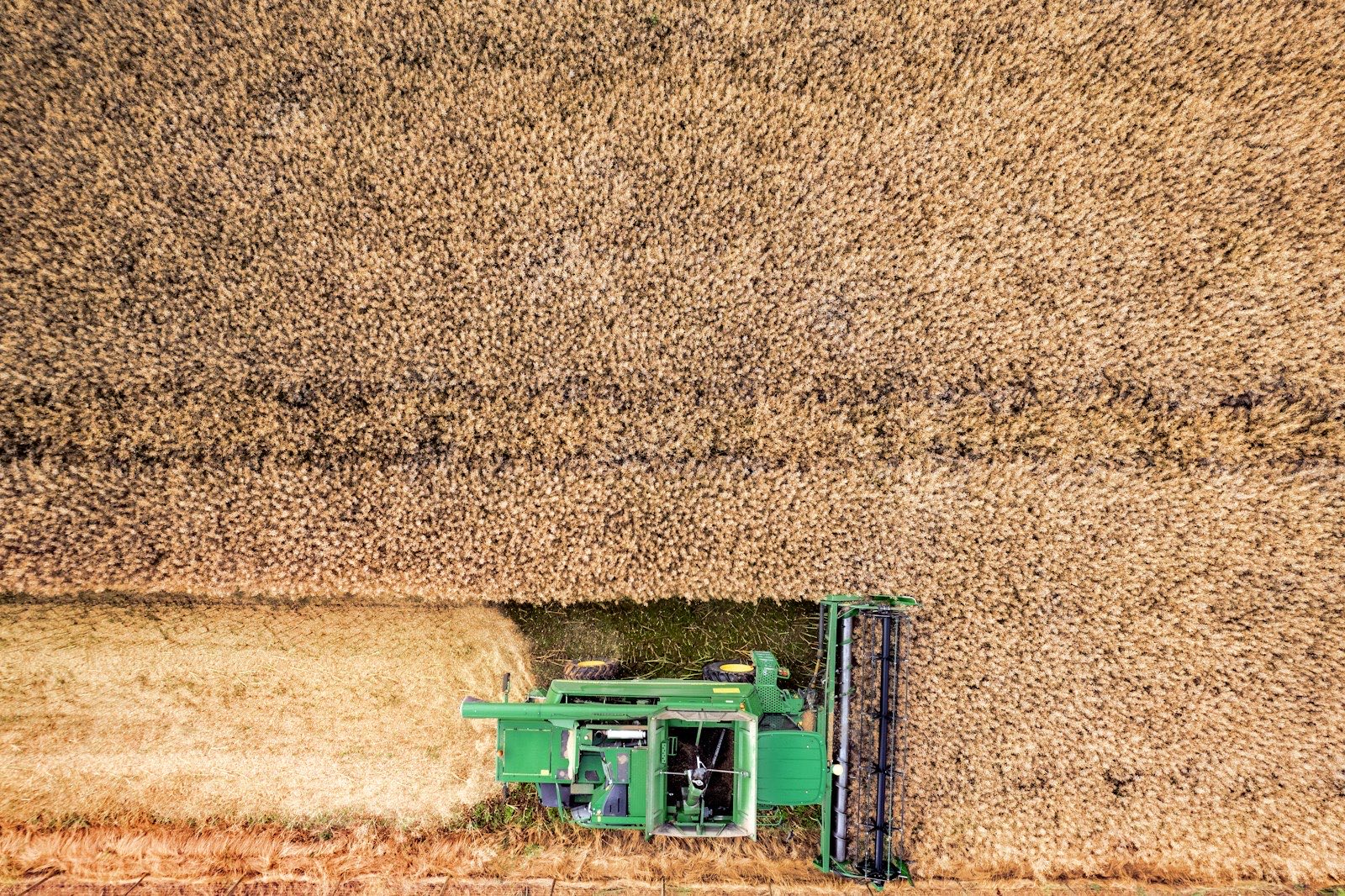
Granular and foliar fertiliser, applied from above. The drone is the right tool for fields the spreader can't reach — or won't reach without leaving tramline scars.
How it differs from a ground rig
- No wheelings, no compaction. Wet land, soft margins, late top-dressing into tall crops — all fine.
- Steep and broken ground. Wolds and Dales fields where a sprayer wouldn't travel safely.
- Throughput. Real-world coverage is around 10 to 15 hectares an hour using an XAG P100 Pro with the RevoCast spreader (granular) or spray boom (liquid).
The drone doesn't beat a 36-metre spreader on flat, dry, open ground with established tramlines. We'll tell you when that's the case.
What can be applied
Anything non-regulated: granular fertilisers (urea, MOP, micronutrient prills), liquid foliar feeds, biostimulants, biocontrols. Plant protection products (herbicides, fungicides, insecticides) are a different regulatory case — see the slug pellet page and the FAQ.
Pricing
Indicative starting rates for drone spreading and spraying in the UK are around £45 per hectare upward. The final number depends on area, product, rate and access. Tell us about your job and we'll come back with a firm number.
Common questions
How accurate is the spread pattern? The XAG P100 Pro flies a GPS-guided path with a calibrated spreader. The pilot sets swath and rate before the job. Comparable to a well-set ground rig.
Can the pilot fly to a variable-rate prescription? Yes, if you can supply the map.
How does payment work? The pilot quotes you and invoices you direct. We don't handle the money — we just make the introduction.
Thinking of buying a drone with FETF? The 2026 grant gives £14,476 towards a farm drone — but you still need training, insurance and the CAA authorisation. We've done the honest maths on when owning beats hiring. Read the FETF 2026 guide →